
 Английский
 испанский
 персидский
 Русский

Turning Waste Textiles and Plastics into Reusable Pallets:
Waste recycling plays an important role in the plastics industry. However, used textiles and waste plastics often create disposal challenges. Many of these materials still have value and can serve as raw materials for new products.
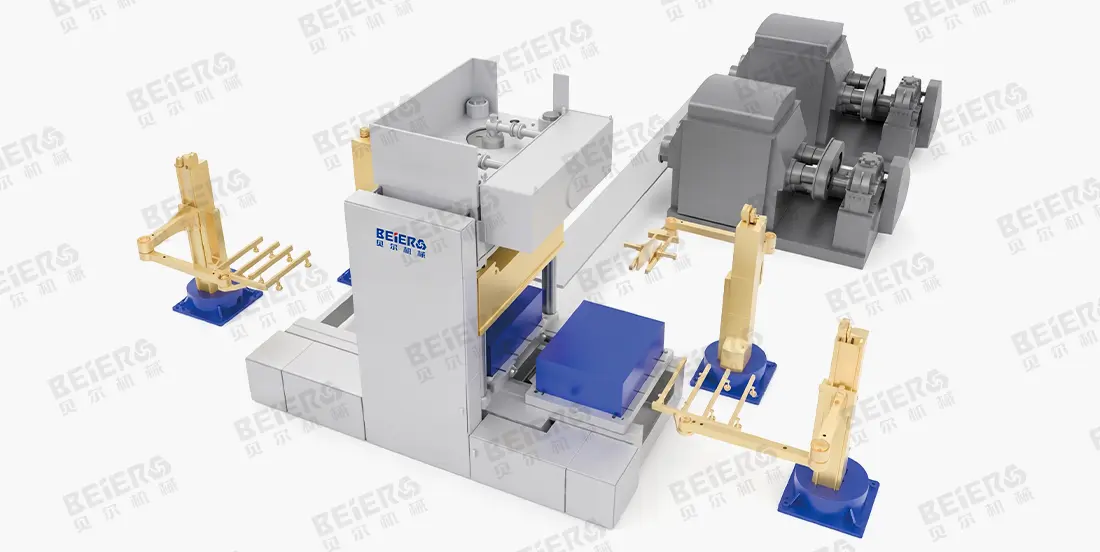
The Waste Textile & Waste Plastic Pallet Production Line provides a practical recycling solution. It processes waste textiles, soft plastics, and hard plastics into durable pallets. First, the system shreds and mixes the materials. Then, it uses compression molding to produce finished pallets.
As a result, manufacturers can turn difficult-to-recycle waste into useful industrial products. This process also helps reduce landfill waste and save raw materials.
What Raw Materials Can Be Used for Pallet Production?
One major advantage of this waste plastic pallet production line is its ability to process different types of waste. These materials mainly include waste textiles, soft plastics, and hard plastics.
Waste Textiles
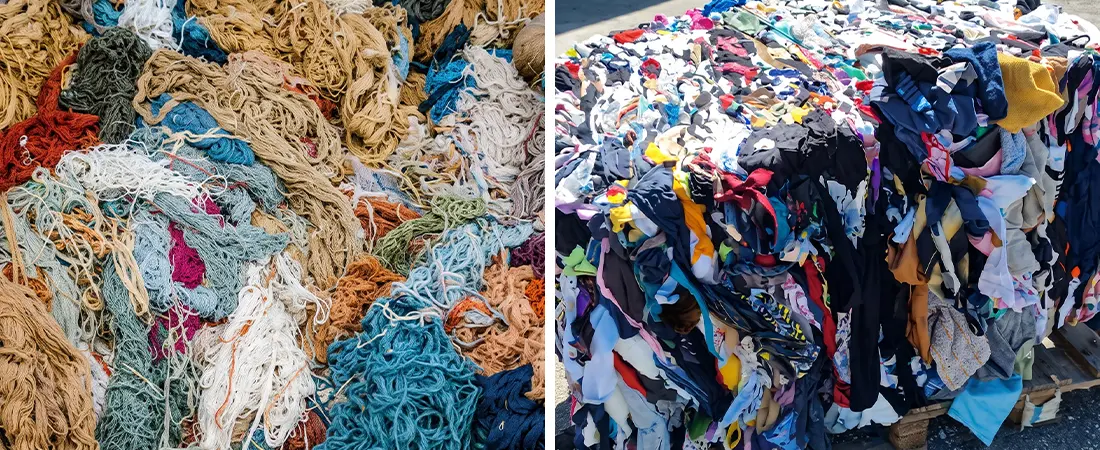
Used clothes and other textile waste can serve as pallet raw materials. Instead of sending them to landfills, manufacturers can recycle them into functional products.
In addition, reusing textile waste helps reduce the demand for virgin plastic and traditional wood materials. It also creates more opportunities for textile waste recovery.
Soft Plastics
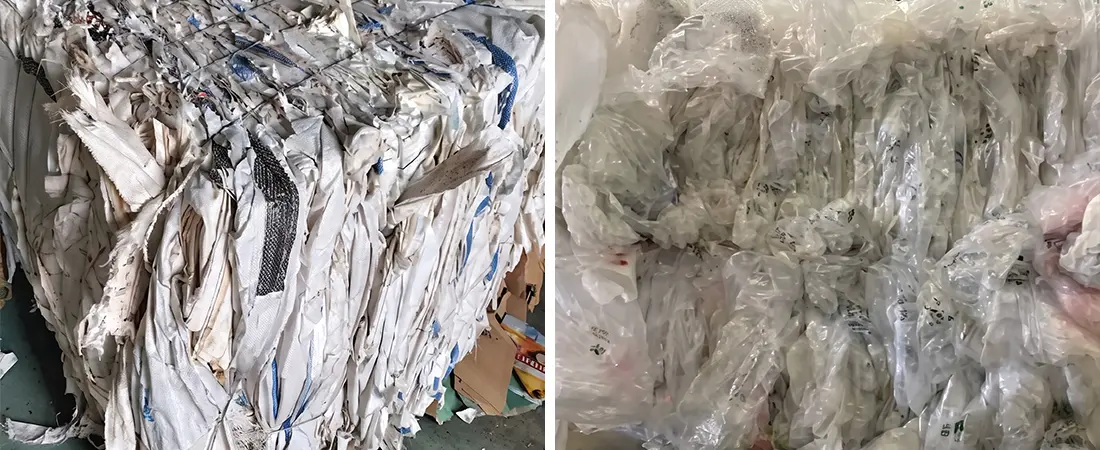
The system can process various types of soft plastic waste. These materials often include:
- Supermarket packaging films
- Agricultural films
- Express delivery bags
- Tetra Pak cartons
- Paper mill waste
- Plastic residues from pelletizing processes
Many of these materials are difficult to sort and recycle through conventional methods. However, this pallet production process offers another way to recover their value.
Hard Plastics
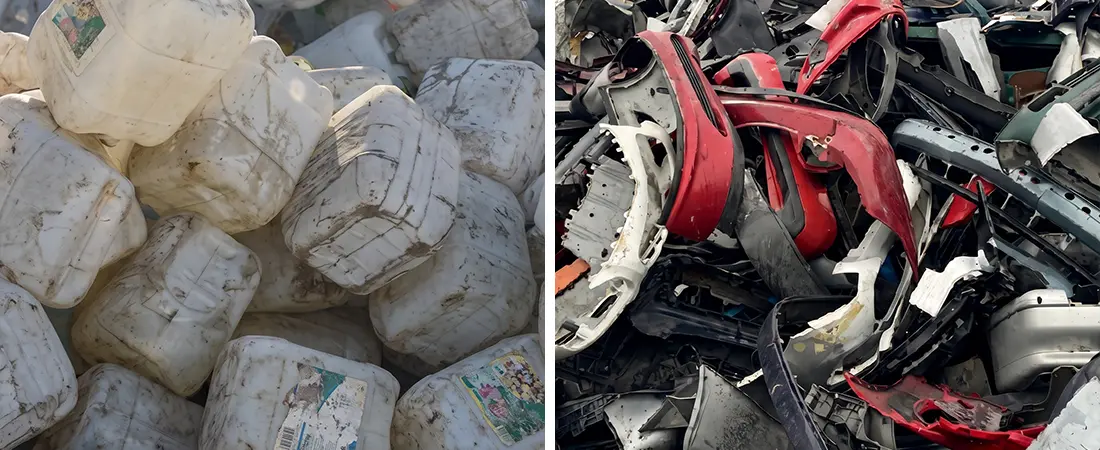
Mixed hard plastics are also suitable raw materials. Typical materials include:
- Industrial plastic waste
- Waste appliance plastics
- Plastic containers
- Used plastic pallets
- Automotive Shredder Residue (ASR) plastics
- Disposable food containers
- Hard plastic residues from recycling processes
By processing these waste streams, manufacturers can improve resource utilization. They can also reduce their dependence on virgin raw materials.
How Does the Waste Plastic and Textile Pallet Production Line Work?
The production process combines material preparation, automatic feeding, pressing, and finished pallet handling.
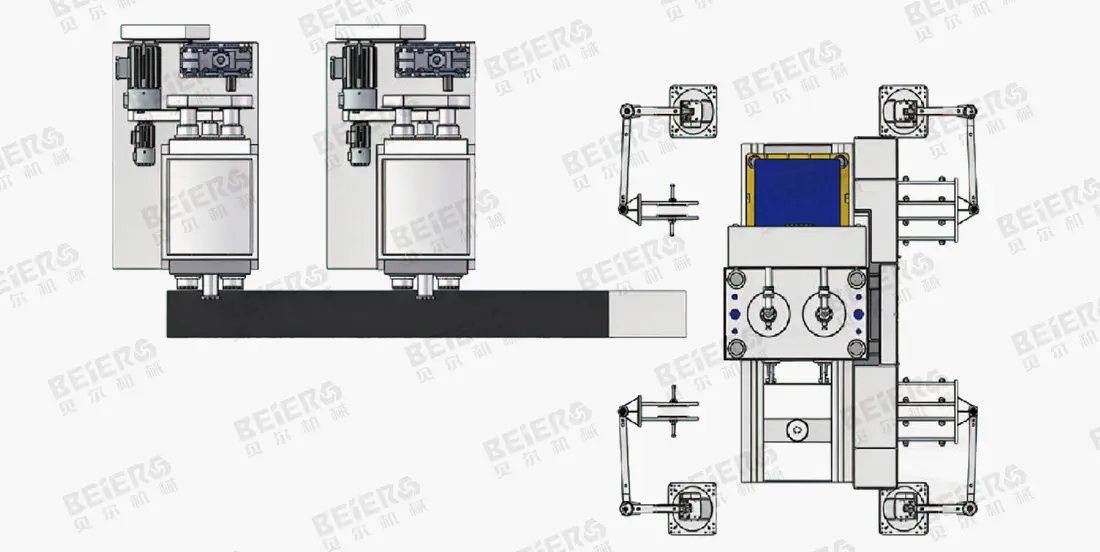
Production Process:
Waste Plastic / Waste Textile → Shredding → Material Mixing → Robotic Feeding → Pressing → Robotic Unloading → Stacking
This integrated process reduces manual handling and supports continuous production.
Waste Pallet Production Line Specifications:
| Линия по производству поддонов из отходов пластика | |
| Проектная мощность | 1000 кг/ч |
| Производственная мощность | 30 штук/час |
| Технические характеристики поддонов | |
| Девятиногий поддон | 1100x1100x140 мм |
| Поддон для планшетов на девяти ножках | 1200x1000x140 мм |
| Вес поддона | 16-30 кг |
Кроме того, конструкция со сменными пресс-формами позволяет производителям выпускать поддоны различных размеров. Также можно изменять технические характеристики поддонов в соответствии с рыночным спросом.
Waste Plastic Pallet Production Line Video:
В чём основные преимущества поддонов из переработанного пластика?
Recycled plastic and textile pallets offer several practical benefits for industrial logistics and material handling.
Lower Production Costs
Using recycled raw materials can reduce material expenses. Depending on the raw material composition, processing costs, and production conditions, pallet manufacturing costs may be 20%–40% lower than those of pallets made from virgin materials.
Strong and Durable Structure
The integral molding process creates a solid pallet structure. It provides the strength required for regular storage and transportation applications.
Environmentally Friendly Materials
The production line helps recover waste textiles and plastics. Recycled materials can be used again in manufacturing, reducing the need for virgin resources.
100% Recyclable
The pallets are designed for recycling at the end of their service life, supporting material recovery and circular production practices.
Recycled pallet production can also support companies working toward packaging sustainability goals and compliance with applicable environmental regulations, including the EU Packaging and Packaging Waste Regulation (PPWR).
Тип пластиковых поддонов:

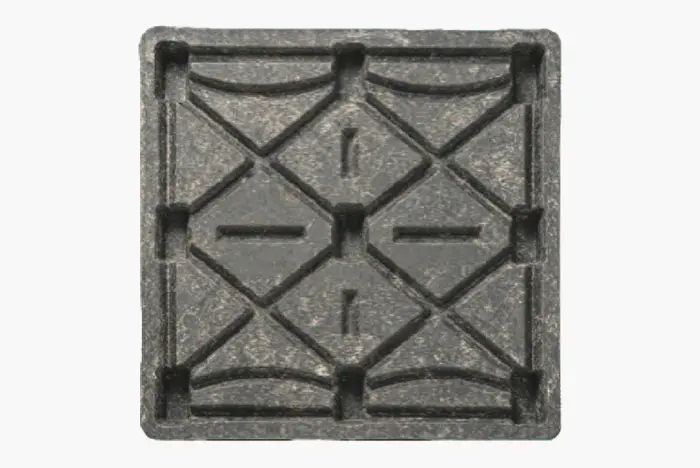
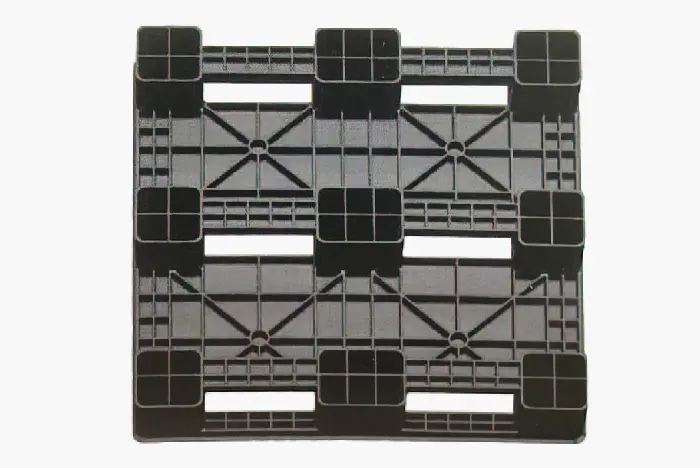
Key Features of the Finished Pallets:
The molded pallets are designed for practical industrial use. Their main features include:
- Integral Molding: A one-piece structure improves overall stability.
- Slip-Resistant Surface: Helps reduce load movement during handling.
- Moisture-Proof: Suitable for environments where moisture resistance is important.
- Pest-Proof: Does not have the typical pest infestation issues associated with wooden pallets.
- High-Strength Structure: Designed to support industrial storage and transportation.
- Fumigation-Free: No wood fumigation is required, simplifying export preparation.
- Nine-Foot Bottom Structure: Provides a practical support design for pallet handling.
- Конструкция, позволяющая штабелировать конструкции: помогает экономить место при хранении и транспортировке.
- Four-Way Forklift Entry: Allows forklift access from four directions.
Supporting the Recycling and Reuse of Solid Waste
As demand for sustainable materials continues to grow, waste textile and plastic recycling offers new opportunities for pallet manufacturers. Materials that were once difficult to reuse can become valuable production resources.
By integrating shredding, mixing, robotic feeding, compression molding, and automatic stacking, the Waste Textile & Waste Plastic Pallet Production Line provides an efficient way to manufacture reusable pallets from mixed waste materials.
It combines waste reduction, raw material savings, and practical pallet production in one integrated recycling solution.
ЧАСТО ЗАДАВАЕМЫЕ ВОПРОСЫ:
Q1: What materials can be used to produce recycled plastic pallets?
A: The production line can process used textiles, soft plastics, hard plastics, waste films, and mixed plastic residues.
Q2: How does the waste plastic pallet production line work?
A: It includes shredding, material mixing, robotic feeding, pressing, robotic unloading, and automatic stacking.
Q3: What are the advantages of recycled plastic pallets?
A: They are cost-effective, moisture-proof, pest-proof, stackable, and made from recyclable waste materials.
Q4: Can recycled plastic pallets be used for export?
A: Yes. They are fumigation-free and can be used for international transportation, subject to applicable export and product requirements.
Q5: How much can recycled plastic pallets reduce production costs?
A: Depending on raw materials and production conditions, costs can be 20%–40% lower than pallets made from virgin materials.
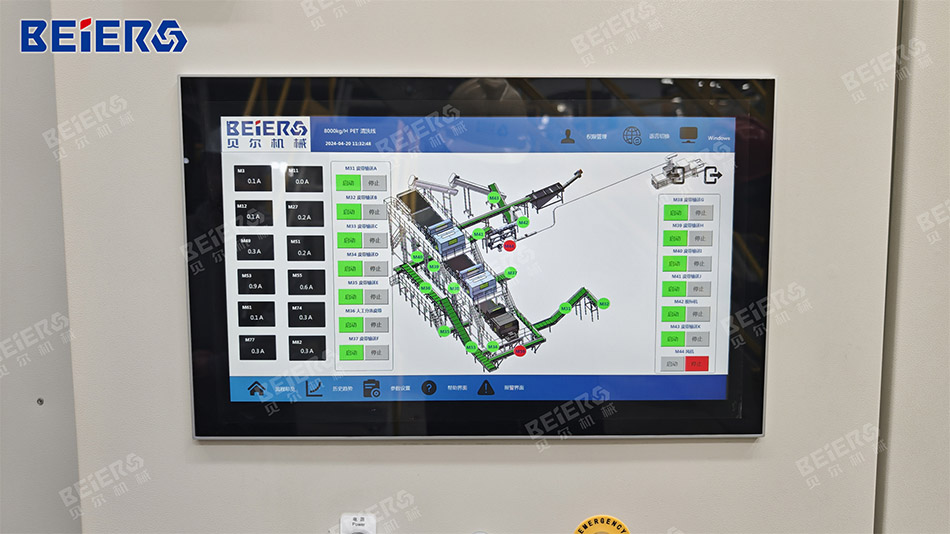
Центр мониторинга переработки пластика
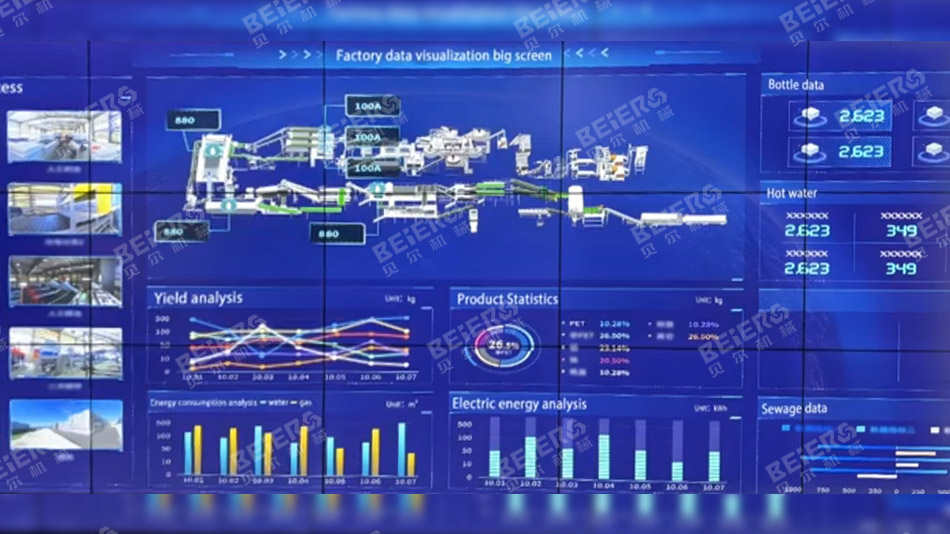
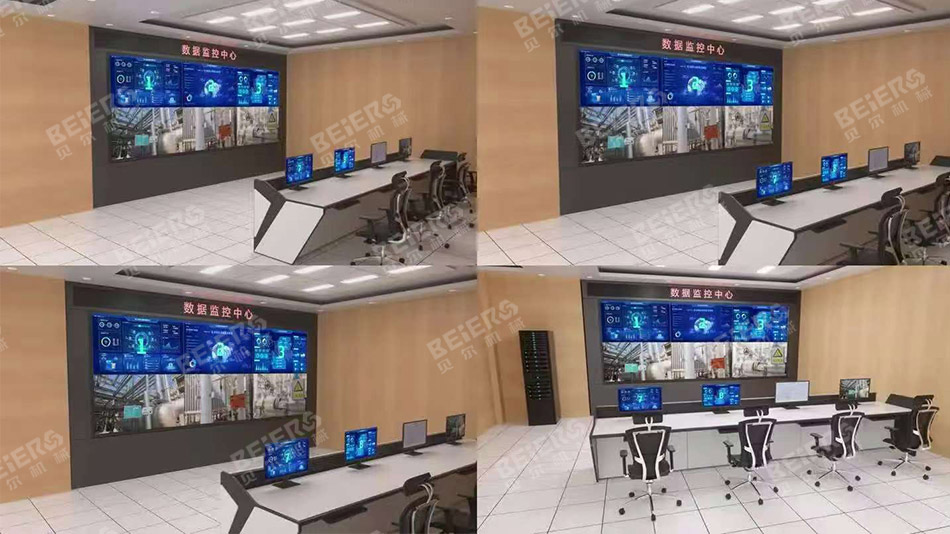
Система управления BEIER Smart PLC

 WhatsApp: +86-13814880186

 Russian
 English
 Spanish
 Persian