
 English
 Spanish
 Persian
 Russian

Turning Paper Mill Waste into Valuable Plastic Pallets:
Plastic waste from paper mills often contains valuable recyclable materials. Common sources include used cardboard boxes, laminated paper, and paper-plastic packaging bags.
However, these materials are difficult to reuse without proper processing. Therefore, an efficient recycling system is essential.
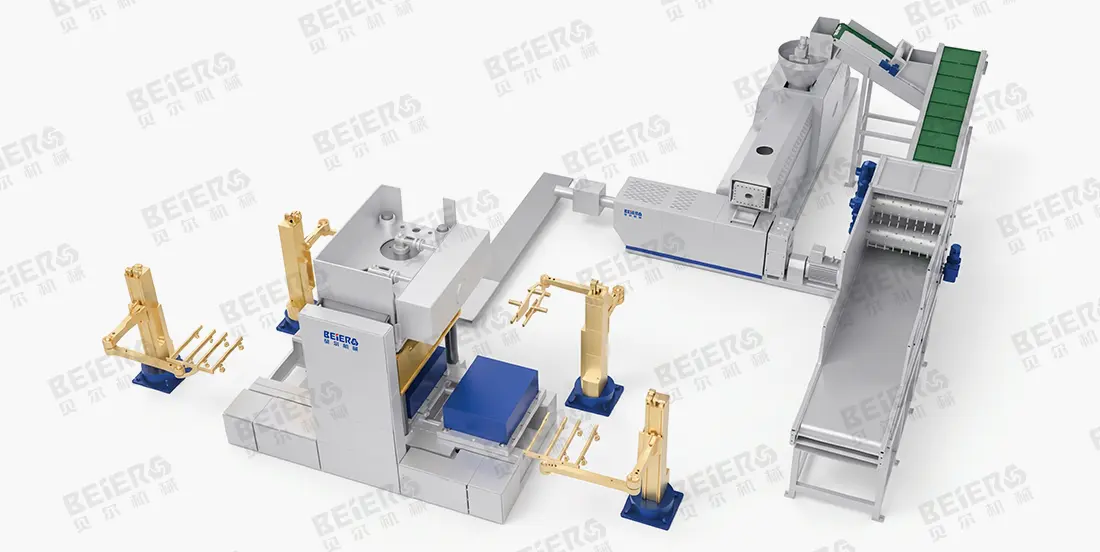
The waste plastic pallet production line offers a practical solution. It processes waste materials through crushing, cleaning, and molding. As a result, manufacturers can turn industrial plastic waste into durable pallets.
The system also handles wastewater-containing waste film and other plastic waste from paper mills.
What Raw Materials Can Be Processed?
The system is suitable for plastic-containing waste materials generated by paper mills and packaging manufacturers.
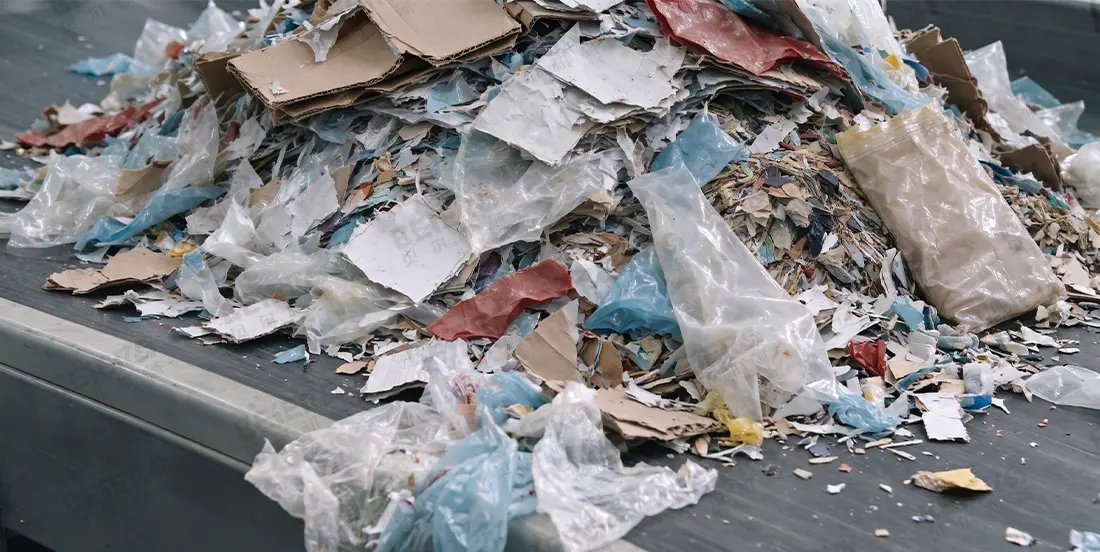
Typical raw materials include:
- Plastic layers from used cardboard boxes
- Laminated paper waste
- Paper-plastic packaging bags
- Waste plastic film
- Mixed plastic waste from paper mills
How Does Waste Plastic Pallet Production Line Work?
The production line uses an automated process to convert wastewater-containing waste film into finished plastic pallets. Each step plays an important role in material preparation, molding, and product handling.
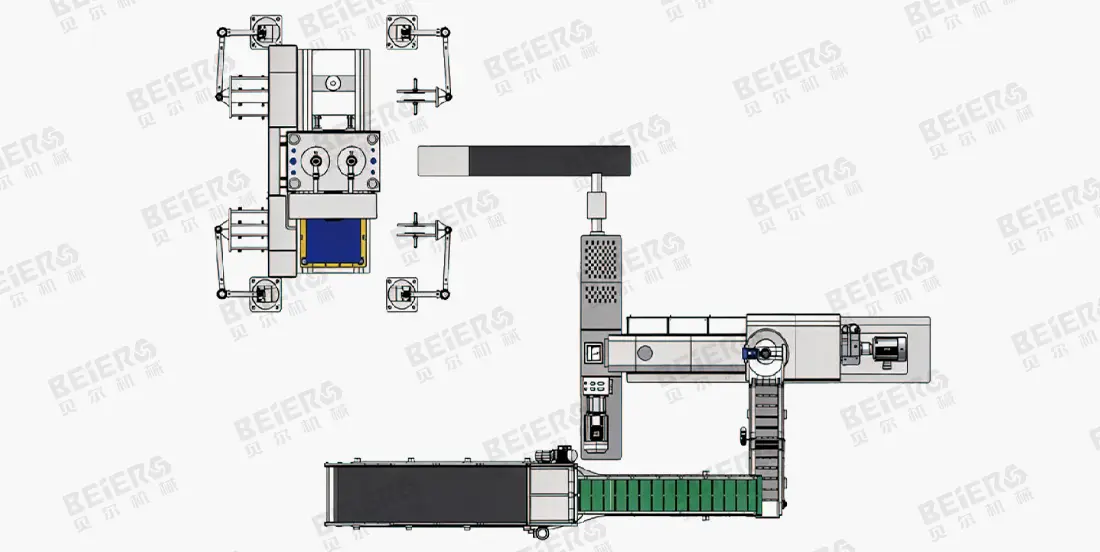
Production Process: wastewater-containing waste film → shredding → material mixing → robotic feeding → pressing → robotic unloading → stacking
Waste Film Pallet Production Line Specifications:
| Waste Plastic Pallet Production Line | |
| Design Capacity | 1000 kg/h |
| Production Capacity | 30 pieces/h |
| Pallet Specifications | |
| Nine-legged pallet | 1100x1100x140mm |
| Nine-legged tablet pallet | 1200x1000x140mm |
| Pallet Weight | 16-30KG |
In addition, the replaceable mold design allows manufacturers to produce different pallet sizes. Can also change pallet specifications according to market demand.
Waste Plastic Pallet Production Line Video:
What Are the Main Advantages of Recycled Plastic Pallets?
Cost savings and environmental performance are two important advantages of recycled plastic pallets.
By using recycled plastic and textile waste as raw materials, manufacturers can reduce their dependence on virgin plastic. Compared with pallets made from virgin materials, production costs can be reduced by approximately 20%–40%, depending on raw material conditions and production costs.
In addition, recycled plastic pallets can be recycled again at the end of their service life. This supports resource recovery and helps manufacturers meet growing environmental requirements, including the EU Packaging and Packaging Waste Regulation (PPWR).
Plastic Pallets Type:

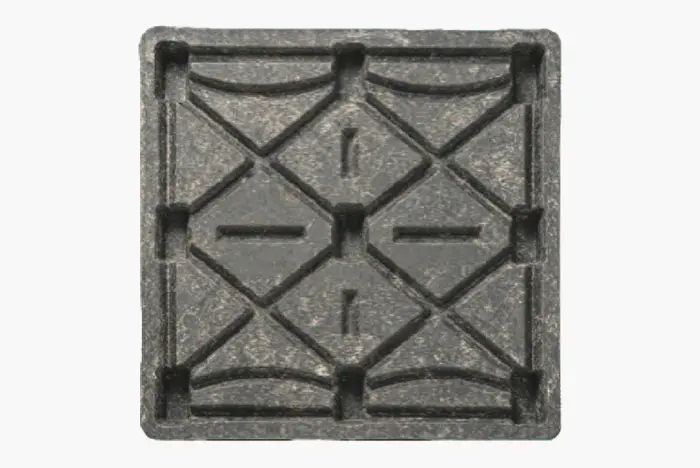
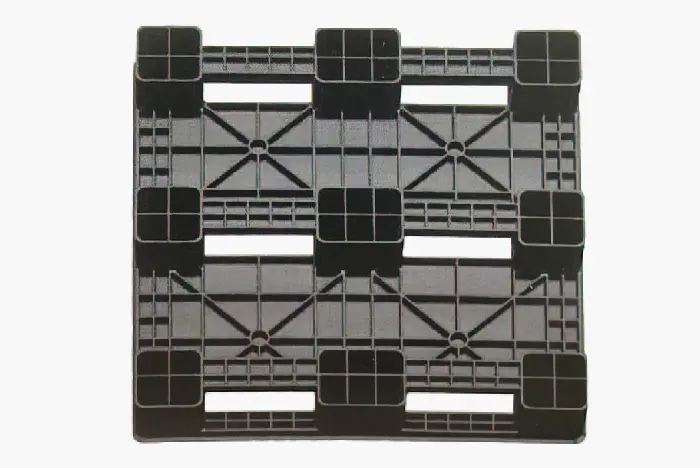
What Features Make These Plastic Pallets Practical?
The pallets produced by this line are designed for demanding storage, transportation, and logistics applications.
- Integral Molding: Provides a strong and stable pallet structure.
- Slip-Resistant Surface: Helps improve load stability during handling.
- Moisture-Proof: Suitable for humid storage and transportation environments.
- Pest-Proof: Does not require pest control treatment for wooden pallets.
- High-Strength Structure: Designed for repeated material handling.
- Fumigation-Free: No wood fumigation is required, making export handling easier.
- Nine-Foot Bottom Structure: Provides stable support and convenient handling.
- Stackable Design: Helps save storage and transportation space.
- Four-Way Fork Entry: Allows forklift access from four directions.
The integrated molding process also helps maintain consistent pallet dimensions and structural performance.
Flexible Solution for Plastic Waste Recycling:
For paper mills and recycling companies, converting plastic-containing waste into reusable pallets offers both environmental and economic benefits.
The 1000 kg/h waste plastic pallet production line combines waste material processing with molded pallet manufacturing. Its replaceable molds support multiple pallet specifications, while recycled raw materials help reduce production costs.
By turning difficult-to-manage waste into useful logistics products, this production line provides a practical approach to industrial plastic recycling and resource utilization.
Contact BEIER to learn more about the waste plastic pallet production line and discuss a suitable configuration for your raw materials and production requirements.
FAQ:
Q1: What raw materials can the production line process?
A: It can process plastic-containing waste from paper mills, including laminated paper, used cardboard box plastic layers, and packaging bags.
Q2: What is the design capacity of the production line?
A: The design capacity is 1000 kg/h, with a pallet production capacity of approximately 30 pieces per hour.
Q3: Can the machine produce different pallet sizes?
A: Yes. The production line supports mold replacement for manufacturing different pallet specifications.
Q4: What are the advantages of recycled plastic pallets?
A: They offer cost savings, moisture resistance, pest resistance, high strength, and recyclability.
Q5: Are recycled plastic pallets suitable for export?
A: Yes. They do not require wood fumigation, which makes them convenient for international transportation and export logistics.
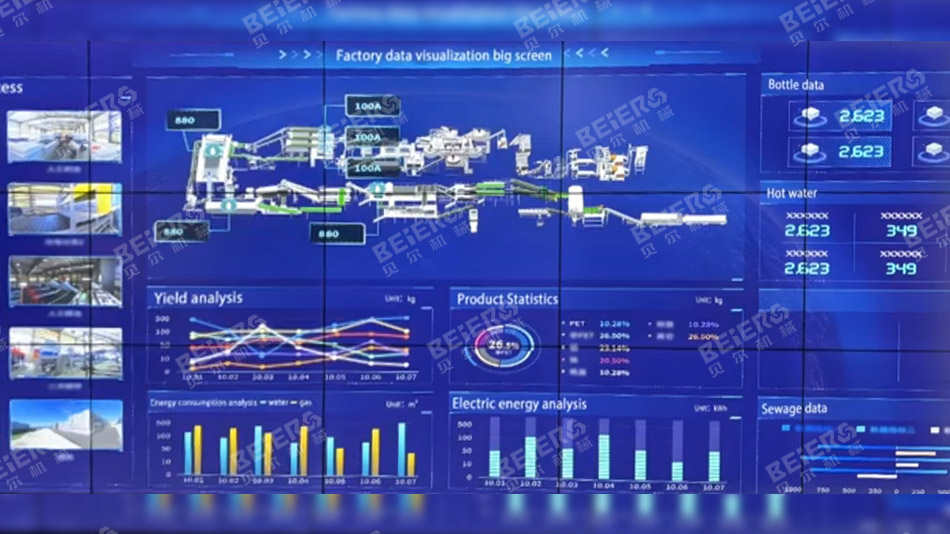
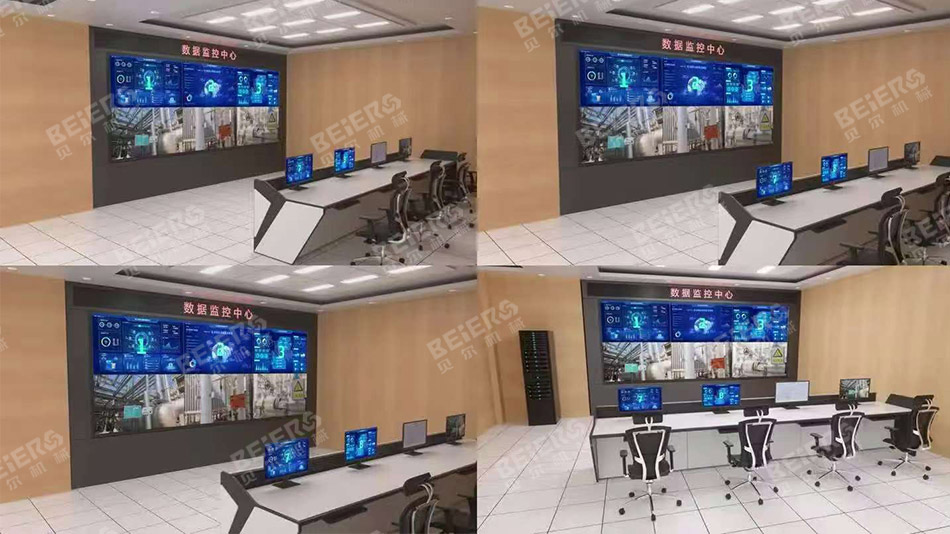
Plastic Recycling Monitor Center
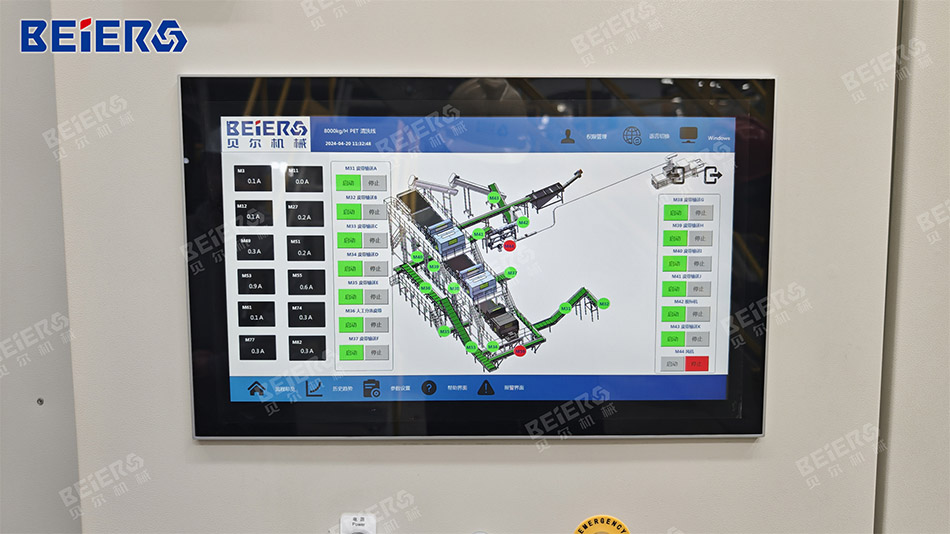
BEIER Smart PLC Control System

 whatsApp:+86-13814880186

 English
 Spanish
 Persian
 Russian