 English
 Spanish
 Persian
 Russian
PET recycling line is designed to process post-consumer or post-industrial PET (polyethylene terephthalate) plastic waste, such as bottles and containers, into reusable flakes or pellets. The PET recycling process typically involves sorting, washing, shredding, and reprocessing the material.

Components of PET Recycling Line:
1. Sorting & Separation – Removes non-PET materials (caps, labels, other plastics).
2. Crushing/Shredding – Breaks PET bottles into small flakes.
3. Washing & Cleaning – Eliminates dirt, adhesives, and contaminants.
4. Drying – Removes moisture from washed flakes.
5. Pelletizing (Optional) – Melts and reforms flakes into uniform pellets for manufacturing.

PET washing lines vary in size, from small-scale setups (500 kg/h) to large industrial systems (5,000+ kg/h). The technology helps reduce plastic pollution, lower carbon emissions, and support sustainable manufacturing.

Final PET Products and Applications:
The clean, recycled PET (rPET) flakes or pellets produced by PET recycling line are a valuable raw material with a wide range of applications, including:
1. New PET Bottles: The flakes or pellets can be used to create new, food-grade PET bottles, completing the “bottle-to-bottle” recycling loop.
2. Textiles: Recycled PET is widely used to produce polyester fibers for clothing, carpets, and upholstery.
3. Packaging: Used to make new containers, strapping, and other packaging materials.
4. Consumer Goods: Recycled PET can be found in a variety of consumer products, from automotive parts to non-food containers.
Would you like details on specific PET washing line or processes within the line? Please contact info@beierpm.com for a quote.
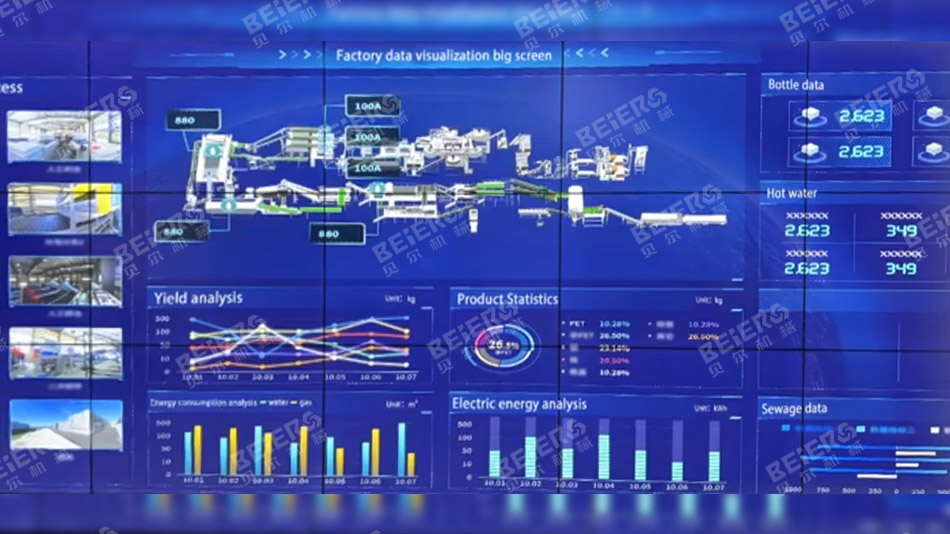
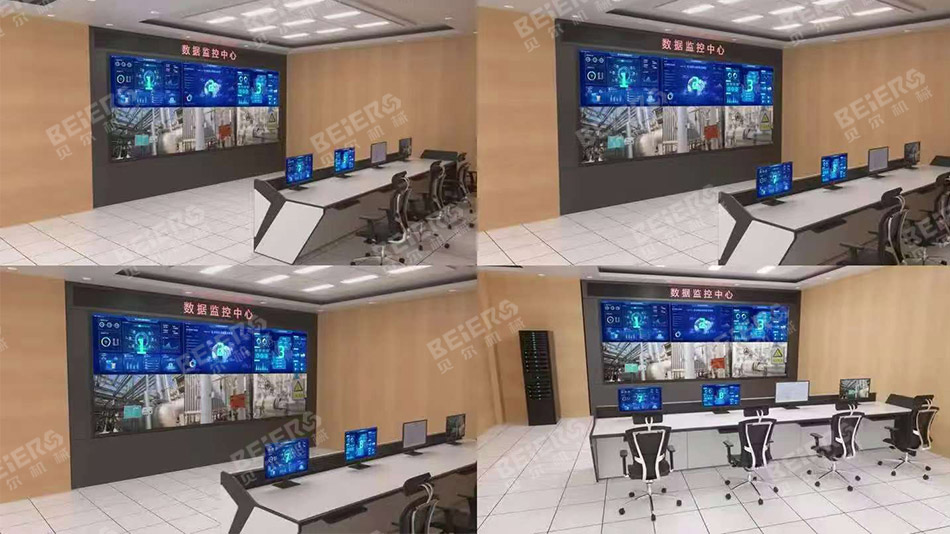
Plastic Recycling Monitor Center
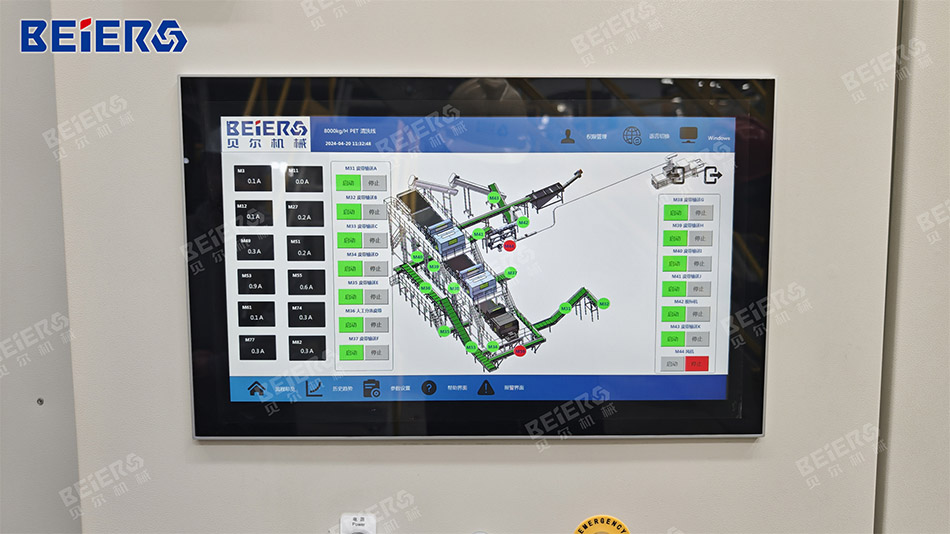
BEIER Smart PLC Control System

 whatsApp:+86-13814880186
 English
  Spanish
  Persian
  Russian