 English
 Spanish
 Persian
 Russian
From Waste Film to High-Value Pellets: BEIER’s Plastic Film Granulation Line
In the plastic recycling industry, waste films (such as LDPE stretch films, PP woven bags, and greenhouse films) is notoriously difficult to process due to its light weight, large volume, and tendency to retain moisture.
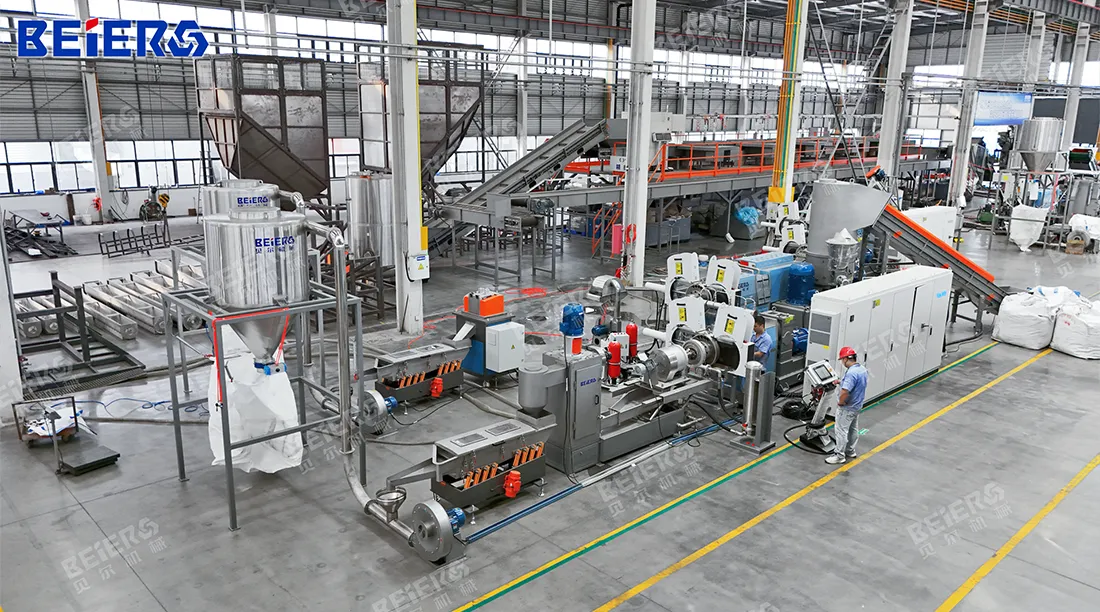
To address these challenges, BEIER Machinery has introduced its latest generation of plastic film granulation line, featuring an integrated “Compacting and Pelletizing” system that transforms fluffy waste into high-quality, uniform resin granules.
Technical Challenge: Low Bulk Density
One of the biggest hurdles in film recycling is the low bulk density of the raw material, which makes consistent feeding into a standard extruder nearly impossible. BEIER’s solution integrates a Cutting Compactor directly with the extruder.

- High-Speed Compaction: The rotating blades in the compactor drum cut the film while generating frictional heat. This shrinks the film into a denser, semi-molten state.
- Centrifugal Force Feeding: Once the material reaches the optimal density, it is centrifugally forced directly into the extruder screw. This eliminates the need for manual stuffing and ensures a 100% stable feeding rate, even with the lightest films.
Superior Degassing & Filtration:
Post-consumer films often contain residual moisture, inks, and contaminants. BEIER’s plastic film granulation machine is engineered to handle these with precision:
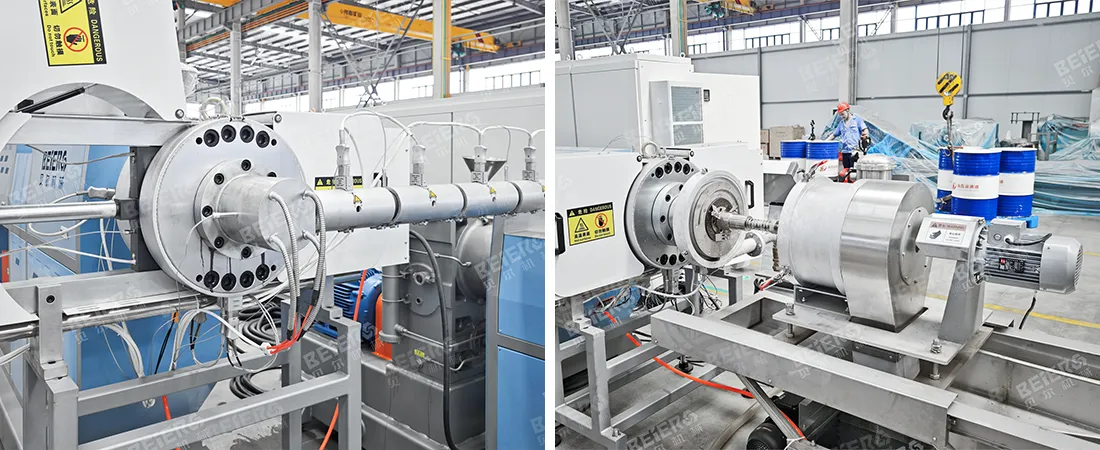
- Vacuum Degassing: Our extruders feature ultra-high vacuum zones that effectively remove volatiles and moisture, ensuring that the final pellets are dense and free of bubbles (porosity).
- Automatic Screen Changers: To maintain continuous production, we utilize large-area piston-type hydraulic screen changers. This allows for the removal of impurities without stopping the machine, maximizing uptime and output purity.
FAQ:
Q: Can plastic granulation line handle films with high levels of printing/ink?
A: Yes. For heavily printed films, we recommend our Double-Stage (Mother-Baby) Extrusion System. This provides extra degassing and double filtration to ensure the final pellets are of high quality and suitable for high-end blowing or injection applications.
Q: What is the benefit of the “Compactor” vs. a traditional “Force Feeder”?
A: A force feeder just pushes material. A Compactor dries, cuts, and densifies the material simultaneously. This results in a much higher output capacity (kg/h) and a more stable extrusion process, which is critical for thin films.
Q: What is the typical moisture limit for the input film?
A: While our extruders have robust degassing, for optimal efficiency, we recommend the input film moisture be below 5%. If your film is wetter, we suggest integrating our squeezing dryer prior to the granulation stage.
Why Partner with BEIER Machinery?
With 27 years of expertise, BEIER Group have delivered customized solutions to clients in over 150 countries.
- Proven Authority: National High-Tech Enterprise with over 1,000 customer references.
- Global Reliability: Nine consecutive years as the leading exporter in Zhangjiagang.
- Innovation Focused: Specialized R&D centers for post-consumer plastic and recycling.
When you choose BEIER, you choose a partner dedicated to your long-term profitability and technical excellence.
Please write your machine inquire Email, Phone Number and Company Name here, we will respond within 12h. Or you can directly contact us: Email: info@beierpm.com or at Whatsapp/Wechat +86 13814880186.
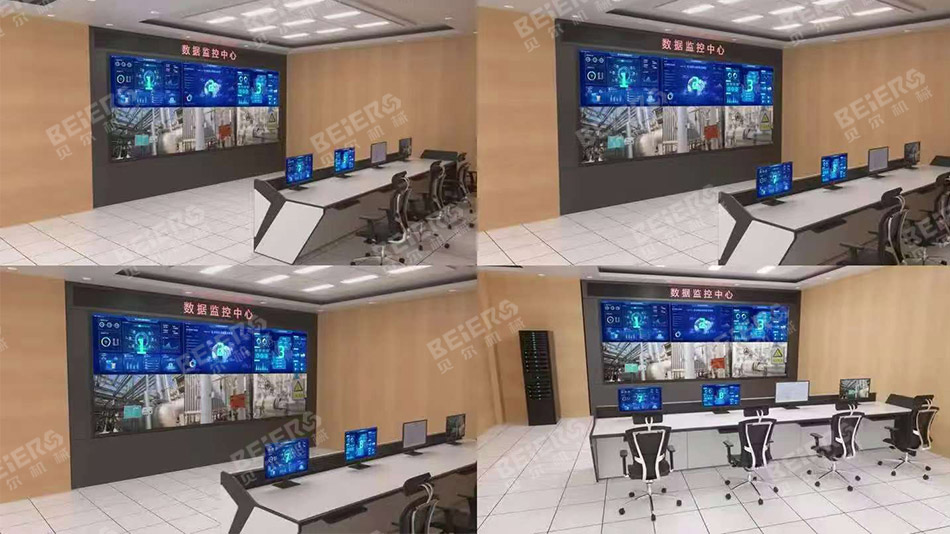
Plastic Recycling Monitor Center
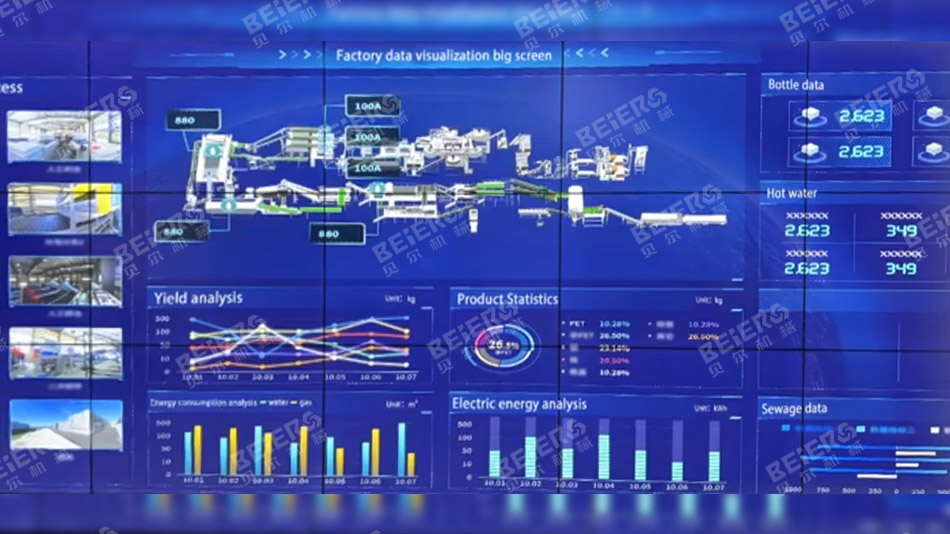
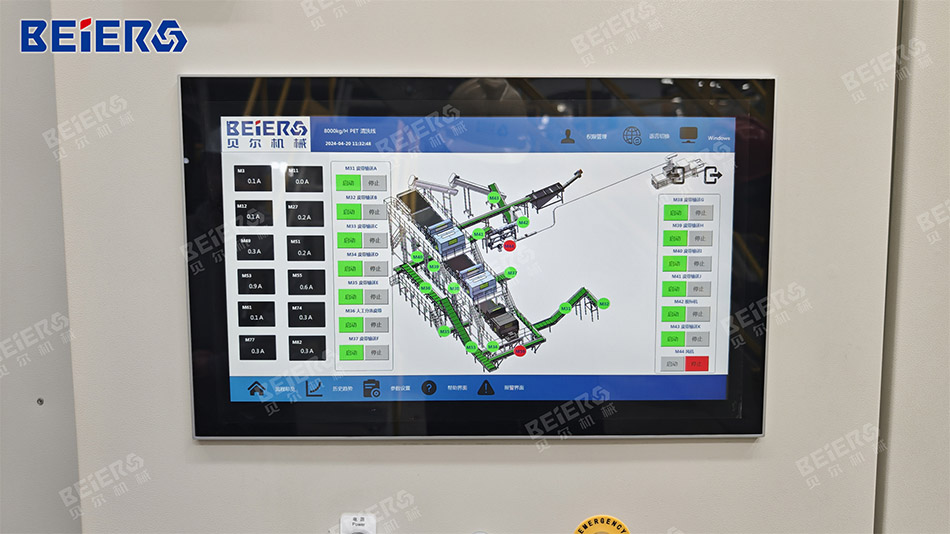
BEIER Smart PLC Control System

 whatsApp:+86-13814880186
 English
  Spanish
  Persian
  Russian